

Known for emerging from the sea to conquer dry land, gastropods belong to the mollusk family and are characterized by a single spiral-shaped shell and antennae that serve both tactile and visual functions.
The term gastropod means “feet in the stomach,” referring to these animals’ ability to move by gliding on a “foot,” which is a muscular extension of their body.
Types of gastropods
Having adapted to both land and sea, gastropods include both marine and terrestrial species and are highly valued in cuisine in both ways.
Among the different types, we have:
Limpet
This marine species lives among the rocks, protected by a shield-shaped, non-spiraled shell with a smooth, shiny interior and a rough exterior often encrusted with algae and other sessile organisms. Thanks to their ability to retain water, limpets can survive for long periods on land surfaces.
They are much appreciated both as a delicacy and as a bait by fishermen.
Sea snail

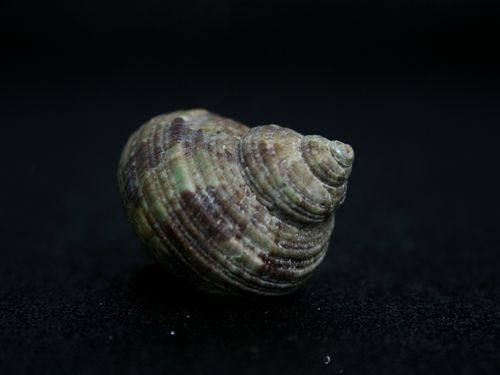
Several gastropod mollusks are grouped under this common name, but the most widespread species in marine environments is Monodonta turbinata, easily recognized by its spotted, spiral-shaped shell. Like limpets, it can survive for extended periods out of water by sealing moisture inside its shell with the operculum.
Spiny murex
This type of gastropod prefers sandy seabeds. It preys on other mollusks, crustaceans and worms, and can bore through their calcium-based shells using their abrasive radula combined with special enzymes.
Did you know that, especially in ancient times, these mollusks were used to extract royal purple dye (from their glands) to color the princesses’ veils?
Nudibranchs
These creatures lack a shell and are hard to miss thanks to their striking colors. In fact, their bright hues serve to protect themselves from predators: they communicate an unpleasant and toxic taste encouraging other creatures to stay away.
Snails

Snails are the only fully terrestrial gastropods. In the culinary world, we’ve come to know them as escargot, while the cosmetics industry has highlighted the many skin benefits of snail mucin (snail slime), which is widely used in skincare products.
Gastropod reproduction
Gastropods are hermaphroditic, meaning they possess both male and female reproductive organs. Among prosobranchs, the pallial duct evolved to serve multiple functions, such as: storing sperm, forming the protective egg capsule and secreting both nutrients and mucus.
Pulmonates are also hermaphroditic, but unlike prosobranchs, they cannot produce sperm and eggs simultaneously. That’s why they must engage in mating with another individual.
On the other hand, archaeogastropods reproduce through external fertilization, producing trochophore larvae.
Shell evolution

Early gastropods had bilaterally symmetrical shells , with each new whorl coiled on the same level as the previous one, completely embracing it on the outside. In that case, the shell appeared to be coiled upon itself, with an overall shape that resembled a wheel.
Unfortunately, though, that shape took too much space and not much compact.
To address this issue, evolution led to the development of a conospiral shell, where each new whorl formed next to the previous one.
But this shape had flaws too: it caused an imbalance, as the weight was concentrated on just one side.
So there was yet another evolution, the one we know today: a modern shell, in which the coiling axis is oblique to the body. This shift moved the weight to the right side of the animal, interfering with the organs on that side, that’s why many organs were eventually lost.
Nutritional properties
The consumption of gastropod mollusks is significantly lower than that of bivalve mollusks, which is why nutritional information about them is somewhat limited.
Despite the limited data, it’s clear that gastropods are also rich in phosphorus, potassium and sodium.
When to buy edible gastropods
Since snails are the most commonly used gastropods for culinary purposes, let’s take a closer look at what you need to know: from purchase to preparation.
The best seasons to buy them are autumn and winter (from October to April).
Purging takes several days and is carried out in a closed but well-ventilated container, where the snails are kept without food.
They should be washed in salted water to remove foam and residue. This process should be repeated several times , handling them gently but continuously, until the water is completely clear.
Once drained, you can cook them however you like and let your culinary creativity run wild!

