
Oysters
The Chinese were the first to farm this type of mollusk, which was immediately appreciated by the ancient Greeks, who used it in daily life. At the time, oyster shells were even used for voting purposes. Oysters lost their relevance during the Middle Ages, but their value was rediscovered in the Renaissance.
It was Napoleon himself who, in 1853, established a true set of rules for sea fishing, in order to protect this species. From then on, oysters have become one of the most highly appreciated delicacies, especially among international chefs, who include them in their daily menus as a magical ingredient in many gourmet recipes.

Oysters: morphological and biological characteristics
 Oysters are bivalve mollusks, with an external shell made of two valves that vary in shape:
- The right valve (the upper one) has a generally flat shape and slight serrations (often due to constant exposure to tides) made of horny material (conchiolin);
- The left valve, on the other hand, has a more or less deep cavity, resembling the shape of a spoon;
- The inner surface of both valves contains the adductor muscle.
The hinge is toothless. As for biological features, oysters belong to a family of species that live in shallow marine waters in various parts of the world. One particularly interesting aspect concerns their sex: oysters are often born male or female but can change over time, alternating between male and female phases (hermaphroditic oysters).
Oysters: nutritional and health benefits
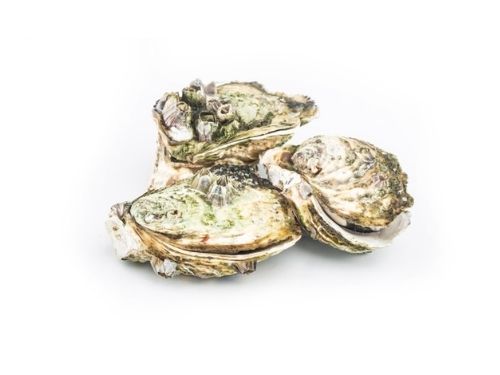 Oysters boast tremendous health benefits, which are closely tied to their nutritional profile. Not only do they offer a unique and exquisite taste, but they are also extremely good for you, as they contain minerals that are essential for the proper functioning of the body. Just think that they’re rich in zinc, calcium, sodium, potassium, phosphorus, iron and several B-group vitamins. According to Humanitas, the nutritional values per 100 grams of oysters are as follows:
- 10.2 g of protein
- 0.9 g of fat
- 5.4 g of carbohydrates
- 69 Kcal
The calcium and phosphorus content is essential for healthy bones and teeth, helping to strengthen and energize the muscular system. The presence of iron is beneficial for connective tissues and the production of specific hormones, as it’s a key component of hemoglobin.
Omega-3 is widely known for its many health benefits: it has a positive effect on heart, bones and brain, it offers powerful anti-inflammatory action and its supplementation is essential in the treatment of cancer-related conditions. Zinc, on the other hand, helps strengthen our immune system, protecting us from potential bacterial infections. In short, oysters are a true wellness booster!
Types of oysters: main European species
 Among the main European oyster species, Crassostrea gigas undoubtedly stands out. Raise your hand if you haven’t heard of it at least once: many oyster varieties belong to this species, also known as the Pacific oyster or cupped oyster.
We’ll also take a closer look at Crassostrea virginica, Ostrea edulis and Saccostrea cuccullata, exploring the specific features that distinguish one from another. Each oyster species has its own unique characteristics, benefits, and traits that are worth keeping in mind when making a purchase. Let’s start with the first one!

Concave Oyster
Crassostrea gigas
FAO Name
Length
Distinctive Characters
Coloring
Diffusion
Eastern Atlantic – especially in the French coasts, British Isles, the Netherlands and Morocco;
Indo-Pacific – originally native to Japanese waters (still considered a highly prized product today);
Indian Ocean – waters around Mauritius;
Pacific Ocean – Hawaii, the Philippines, Thailand, Australia, Tasmania, and New Zealand. On the eastern side: Chile, Costa Rica, from British Columbia to California.
Meats
Types
- Ostrea Regal selection or
- Utah Beach
- Fine de Claire
- Oyster Fine de Claire Verte
- St. Michael’s
- Tarbouriech France
- Tarbouriech Italy
- Gillardeau
- Tsarskaya
- Desse Blanche
- Mater – Oyster of Sardinia
- Noblesse and Divina
- Peter Pan
- Cristalda
- Special Sentinelles
- La Pleaide Poget
- Oyster Marie Morganes
- Ideal Oyster

American Oyster
Crassostrea virginica
FAO Name
Length
Distinctive Characters
Coloring
Diffusion
Western Atlantic – This species originates from the North American Atlantic coast. Today, it is found from the Gulf of St. Lawrence in Canada to the Gulf of Mexico, the Caribbean, Brazil, and Argentina.
Eastern Atlantic – Introduced for aquaculture purposes, particularly in the United Kingdom.
Pacific Ocean – Present in Hawaii, Japan, Australia; from British Columbia down to the U.S. coast.
Meats

FLAT OYSTER
Ostrea Edulis
FAO Name
Length
Distinctive Characters
Coloring
Diffusion
Eastern Atlantic – found from Morocco to Norway.
Meats
Types

AUSTRALIAN CUPPED OYSTER
Saccostrea Cuccullata
Length
Distinctive Characters
Coloring
Diffusion
Eastern Atlantic – From Cameroon to Angola.
Indo-Pacific – This species originates from the Australian coast. It is also found along the southern and eastern coasts of Africa, the Red Sea, the Persian Gulf, and as far as Eastern Polynesia (Japan, New South Wales and New Zealand).
Meats
Types of Oysters: the main species found in non-european waters
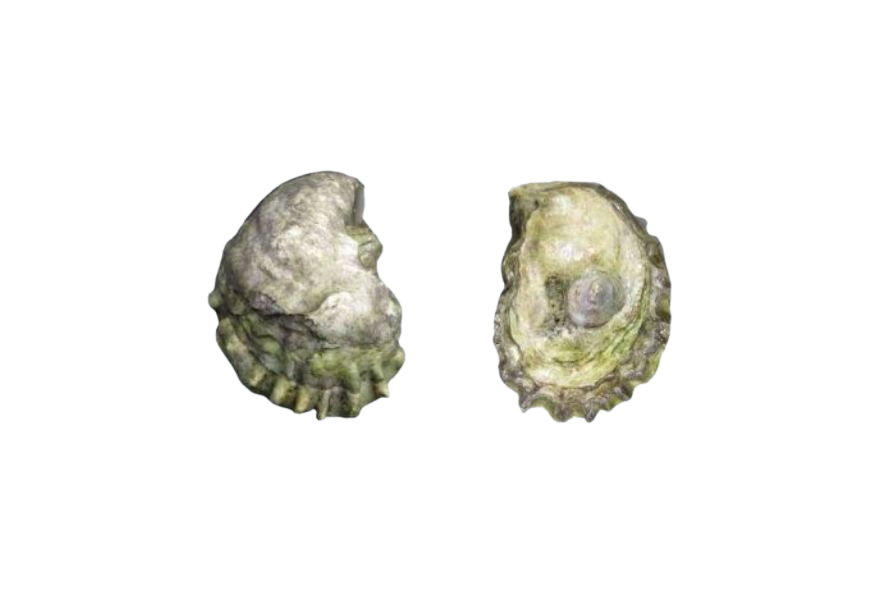
KUMAMOTO OYSTER
Crassostrea Sikamea
Distinctive Characters
Coloring
Diffusion
Meats

AUSTRALIAN OYSTER
Ostrea Angasi
FAO Name
Length
Distinctive Characters
Coloring
Diffusion
Meats

CHILEAN OYSTER
Ostrea Chilensis
FAO Name
Length
Distinctive Characters
Coloring
Diffusion
Meats
Other Products




Where we are
83 Lufrano Street
Volla, NA 80040
our schedules
H24 distribution
Office 9 – 18


