
Razor Clams
Raise your hand if you’ve never enjoyed the unique taste and flavor of razor clams at least once in your life.
Without a doubt, razor clams are among the most beloved ingredients on Italian tables, especially during the Christmas holidays. Let’s discover all the secrets of this highly appreciated mollusk!

Razor clams: what are they and how they look
 Also known as “cappalunga”, the razor clam is a mollusk that lives at significant depths (around 20 meters), preferring sandy and muddy seabeds. It hides to avoid being caught by humans, thanks to its remarkable speed, by burrowing vertically into the sand.
Its shell is:
- very delicate and elongated in shape;
- varies in color from brown to yellow, depending on the species;
- about 17 cm long on average.
From the upper part of the shell emerge the siphons, through which the mollusk feeds, filtering water to absorb all the nutrients it needs. From the lower part comes out the foot, which allows it to move swiftly.
As we will explore further, there are two main families of razor clams: Solenidae and Pharidae, which are the basis for the long-standing rivalry between Solen Marginatus and Ensis Minor (link to comparison).
Nutritional values of razor clams
Razor clams are rich in minerals such as iron, phosphorus, and sodium. They’re high in protein, low in fat and widely included in diets due to their low calorie content: just 90 kcal per 100 grams.
They are particularly recommended for individuals with conditions like diabetes due to their low glycemic index. However, because of their sodium content, they are not advised for those with high blood pressure or cardiovascular issues.
Razor clams and cuisine: what you need to know
 As with all shellfish, when buying razor clams, they must be alive. There’s a simple trick to check their freshness: gently touch the foot (which protrudes from the front opening) and it should quickly retract. If it doesn’t, the shellfish is no longer alive and should not be purchased.
Once selected, you have to start by cleaning them and this can be done either raw or cooked.
Unlike the cooking water from clams, mussels or oysters, razor clam water is very salty. It’s essential to dose everything carefully so as not to compromise the dish’s overall saltiness.
Be careful when cooking them: if not prepared correctly, they can become tough and rubbery, losing their deliciously tender texture. If you prefer to enjoy them raw, it’s essential to make sure they come from a certified purification center like Ittica Buonocore, which guarantees 100% quality, safety and freshness.
There are countless ways to use razor clams in the kitchen, with many recipes and preparations: if you’re interested in that, we invite you to follow our blog. We regularly share both traditional and innovative recipes to inspire your cooking!
The main razor clam species: discover them with us
There are six main species of razor clams. For each one, we’ve created an in-depth guide that will help you discover their morphological and organoleptic characteristics, as well as their habits and preferred habitats. Join us on this journey dedicated to one of the most beloved mollusks on the market! Follow us on this journey dedicated to one of the most beloved shellfish on the market!

Ensis Ensis
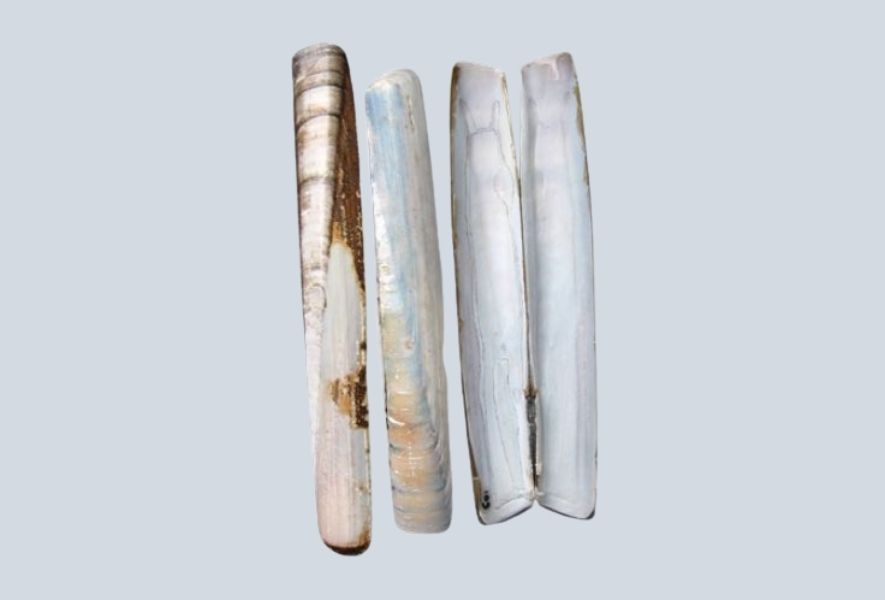
Ensis Minor

Solen Vagina

Ensis Directus
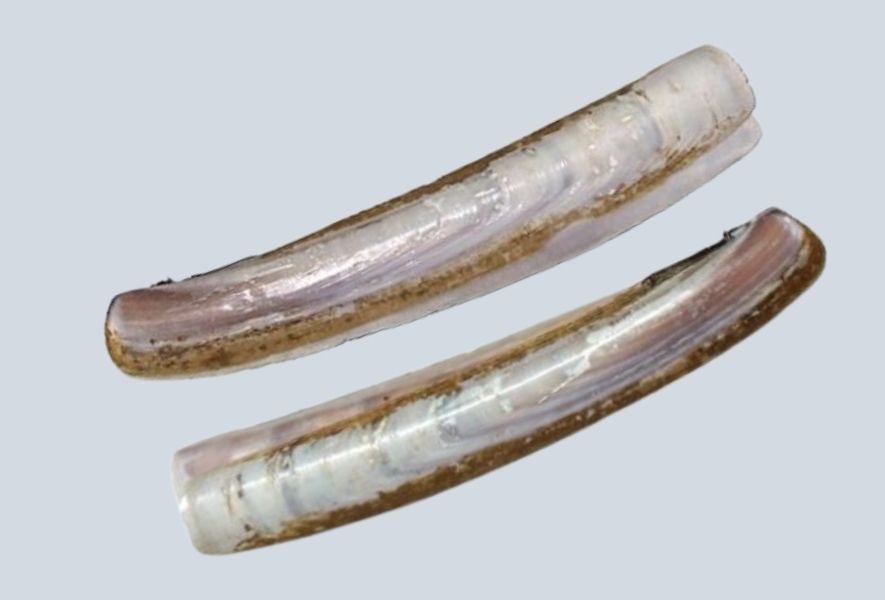
Ensis Macha
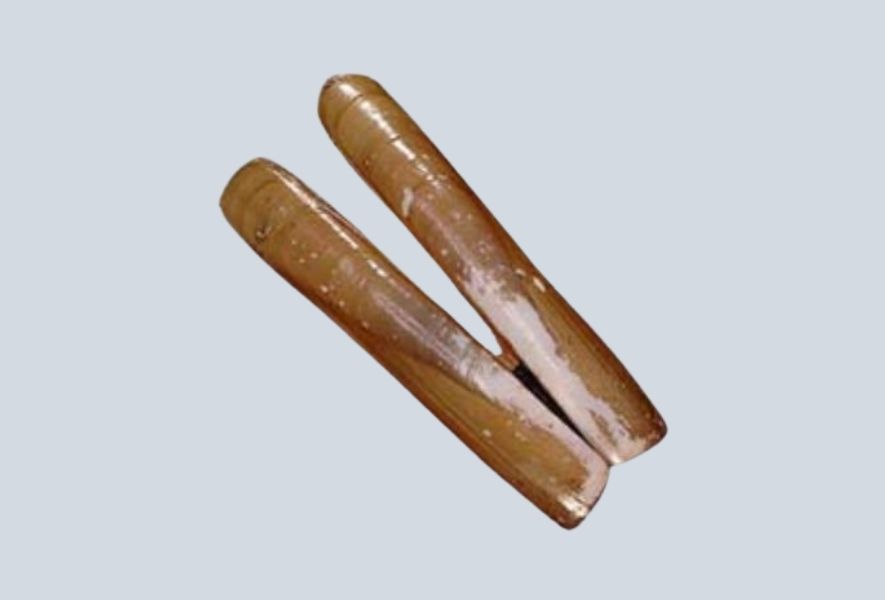
Solen Lamarckii
Other Products





Where we are
83 Lufrano Street
Volla, NA 80040
our schedules
H24 distribution
Office 9 – 18


