

Previously introduced to protect fish populations and other marine organisms, the fishing ban involves a temporary stop in fishing activities during specific times of the year. This pause allows marine ecosystems to regenerate and gives species the opportunity to reproduce and grow without human interference. The goal is to prevent overfishing and guarantee the continued availability of fish resources. In this article we’ll take a closer look at the purposes of a fishing ban and why it is essential for both the conservation of marine biodiversity and the economic sustainability of coastal regions.
What’s a fishing ban?
 As previously mentioned, a fishing ban is a fisheries management measure implemented by authorities to protect fish stocks, guarantee sustainable fishing practices and preserve the marine ecosystem. This measure involves the temporary suspension of fishing activities in specific marine areas and during certain periods, allowing fish populations to reproduce and grow without the pressure of commercial fishing. The ban may apply to different species depending on the ecological and biological needs of local fish stocks.
Fishing bans can take various forms depending on conservation goals. For example, they may be total, covering all fish species in a particular area, or selective, targeting specific species during key times of the year. In many cases, bans are enforced during the breeding season of a particular species to guarantee that enough individuals reach sexual maturity and reproduce, thus contributing to the renewal of stocks.
 Why it’s important to safeguard the life cycle of mollusks
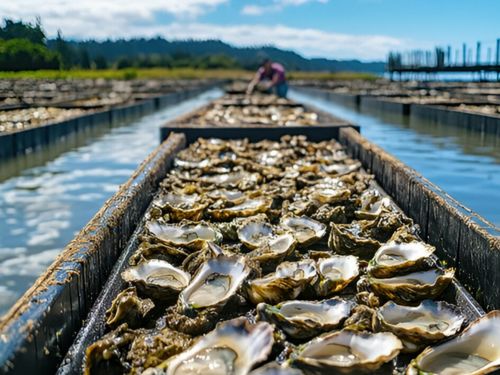 Why it’s important to safeguard the life cycle of mollusks
Respecting the life cycle of mollusks is fundamental to the sustainability of marine resources and the health of ecosystems. Mollusks (including mussels, clams and oysters) play crucial ecological roles and represent a vital food source for many communities. Their survival largely depends on the protection of natural life cycles that include growth, sexual maturation, reproduction, and the renewal of populations.
If mollusks are harvested in large numbers during their reproductive period, not only does the number of individuals capable of reproducing decline, but the entire population’s survival is at risk. Over time, this can cause severe consequences for marine ecosystems and the fishing industry. This is where the importance of the fishing ban comes into play. During fishing ban mollusks are protected from harvesting: this way they can complete their reproductive cycle without interference.
In addition to supporting reproduction, fishing bans also allow mollusks to grow to optimal sizes before being harvested. This not only improves the quality of the catch but also makes fishing more efficient and sustainable. A mollusk that had the time to grow will have accumulated more biomass, meaning more product can be obtained per unit of fishing effort. This reduces the need for continuous and intensive harvesting.
Other than that, fishing bans contribute to the conservation of the marine habitats where mollusks live. Many mollusk species are sessile, meaning they attach themselves to fixed substrates like rocks, sandy bottoms, or coral reefs. Intensive fishing can damage these habitats, making it harder for mollusks to find suitable places to grow and reproduce. By implementing fishing bans, ecosystems have time to recover, improving environmental conditions for mollusks and other marine species.
Respecting the life cycle of mollusks and implementing fishing bans is also a matter of economic responsibility. The fishing industry depends on the health and sustainability of mollusk populations. If these resources are overexploited, the economic consequences can be severe, leading to reduced catches and increased operational costs for fishers.
How long does a fishing ban last?
 The duration of a fishing ban varies depending on several factors, including the species involved, the geographic area, and the conservation goals set by the relevant authorities. In general, a ban can last from a few weeks to several months. For example, in the Mediterranean Sea, the ban on trawling fleets typically lasts between 30 and 90 days, depending on the country and local conditions. In Italy the trawling fishing ban (it usually ranges from 30 to 45 days) is schedule during summer months, when many fish species are in their reproductive phase. The exact dates and duration may change from year to year, based on decisions made by the Ministry of Agriculture, Food and Forestry Policies in coordination with regional governments and fishing organizations.
The length of the fishing ban is determined according to scientific studies that assess the health of fish stocks and the effectiveness of protective measures. Marine biologists and industry experts analyze data on reproduction, growth, and mortality rates of fish populations to determine the optimal period in which fishing activities should be suspended. In some cases, the ban may be extended or repeated multiple times a year, especially when stocks are in a particularly critical condition. In other situations, the ban may last only a few weeks, as in the case of bluefin tuna fishing in the Atlantic and Mediterranean, where the fishing season is strictly regulated and limited to a short period during the breeding season.
In addition to seasonal bans, there are other types of fishing restrictions, such as temporary or permanent closures of specific marine areas (marine reserves), where fishing is prohibited either year-round or for extended periods. These measures aim to protect sensitive habitats or endangered species.
The positive impact of fishing bans on marine life and ecosystems
 During ban periods, marine species, especially those that are heavily targeted, have the chance to reproduce without the pressure of commercial fishing. This promotes cyclical increases in fish populations.
Moreover, fishing bans help the recovery of marine habitats. Fishing activities, especially those that involve destructive methods like bottom trawling, can cause significant damage to seabeds, coral reefs and habitats of vulnerable species. During the ban, these ecosystems are given time to regenerate, improving their ability to support marine life. Protected areas and fishing ban zones thus become safe havens where biodiversity can thrive.
The ban also has a positive effect on the marine food chain. With reduced fishing activity, there is an increased availability of preys for marine predators such as dolphins, sharks, and seals. A healthy and balanced ecosystem is less vulnerable to the negative effects of climate change and human impacts such as pollution and ocean acidification. Another benefit is the increase in the average size of the fish. Over time, the stop of fishing activities allows fish to grow larger before being taken. And this significantly improves the quality of the catch.
This may lead to a temporary decrease in catches, but the recovery of fish populations results in greater availability of mollusks in the following periods, guaranteeing a more sustainable and prosperous fishery in the long run. Responsible management of marine resources is the only way for fishers to benefit from more abundant fish stocks and improved profitability.

