

Seafood is a valuable nutritional source, rich in essential nutrients for human health, including zinc. A deficiency in this mineral can impair the body’s normal functions and lead to serious health problems, such as: a weakened immune system and disrupted growth and development.
In this article we’ll explore which types of seafood are particularly effective in fighting zinc deficiency, helping you make more informed choices for a healthy, balanced diet.
What is zinc?
Zinc is an essential mineral found in small amounts in the human body, yet it plays a key role in many of the body’s daily functions. It is involved in a wide variety of biochemical and biological processes.
Properties and benefits

- Supports and strengthens the immune system, helping to fight off infections;
- It’s essential for growth and development, especially in children, aiding tissue formation, bone health, and wound healing;
- Plays a central role in protein synthesis, necessary for cell growth, tissue repair, and overall body function;
- Contributes to healthy skin;
- Acts as a cofactor in numerous enzymatic reactions, supporting vital biochemical processes;
Zinc’s bioavailability varies depending on dietary sources and the type of diet followed by an individual. These factors, along with one’s lifestyle, can influence absorption levels. As an essential mineral, zinc is crucial for many fundamental biological processes. Guaranteeing adequate intake of zinc-rich foods helps maintain overall health and a strong immune system.
Symptoms of zinc deficiency: how to recognize it
Zinc deficiency can present with a range of symptoms. Some of the most common include:
- Dry, flaky skin;
- Dermatitis, redness, or rashes;
- Slow-healing wounds;
- Impaired vision;
- Difficulty adjusting to darkness;
- Growth delays, especially in children;
- Thinning or loss of hair;
- Increased vulnerability to infections and illness;
- Irritability;
- Trouble concentrating;
- Reduced cognitive function;
- Loss of appetite;
- Altered sense of taste.
Identifying a zinc deficiency starts with a thorough medical evaluation by your doctor. Secondly, a blood test will be needed to run specific analyses that can confirm a potential deficiency of this mineral. Keep in mind that many of the symptoms listed above are also associated with other medical conditions, so it’s important to always consult a healthcare professional rather than jumping to conclusions or attempting self-diagnoses without proper knowledge.
Which foods contain zinc?

Zinc can be found in a variety of foods, both animal and plant based.
Here are some of the richest sources: oysters, lobsters, shrimp, red meat, liver, cheese, yogurt and milk, legumes, pumpkin seeds, nuts, whole grains, and leafy green vegetables.
Following a varied and balanced diet that includes a combination of these nutritional sources can help increase your zinc intake.
Seafood and zinc
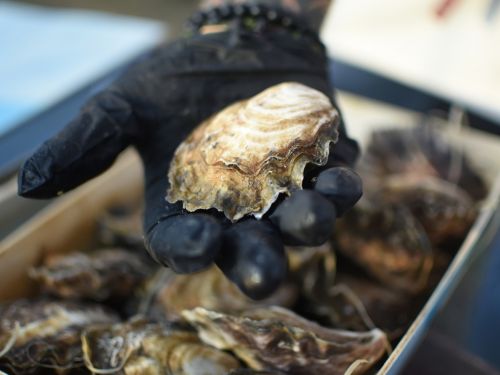
Seafood provides a wide range of nutrients, including zinc, which plays an essential role in our bodies. Oysters are among the richest seafood sources of this mineral. They can contain significant amounts and are considered one of the best dietary sources for regular intake. Lobsters and shrimp also contain appreciable amounts of zinc. While not as rich as oysters, they can still contribute to your daily zinc intake as part of a healthy and balanced diet. Clams and mussels are also good sources of zinc. Although their levels are not comparable to those of oysters, they can still be included as part of a zinc-rich diet. At last, some fatty fish, such as salmon and sardines, also contain zinc, although in smaller amounts compared to the aforementioned seafood.
This overview makes it clear how important it is to regularly include seafood in your diet to guarantee adequate zinc intake. However, it’s also important to take into account other factors, such as mercury content and cholesterol levels, which should be balanced as well to help prevent unwanted health issues. Therefore, it’s always best to follow a varied diet, combining zinc-rich foods that don’t rely solely on seafood to ensure a well-rounded nutritional intake.
We strongly recommend avoiding “do-it-yourself” diets and instead consulting with a qualified nutritionist who can provide the best advice and guidance to help you eat in a healthy, balanced way that suits the specific needs of your body.

