
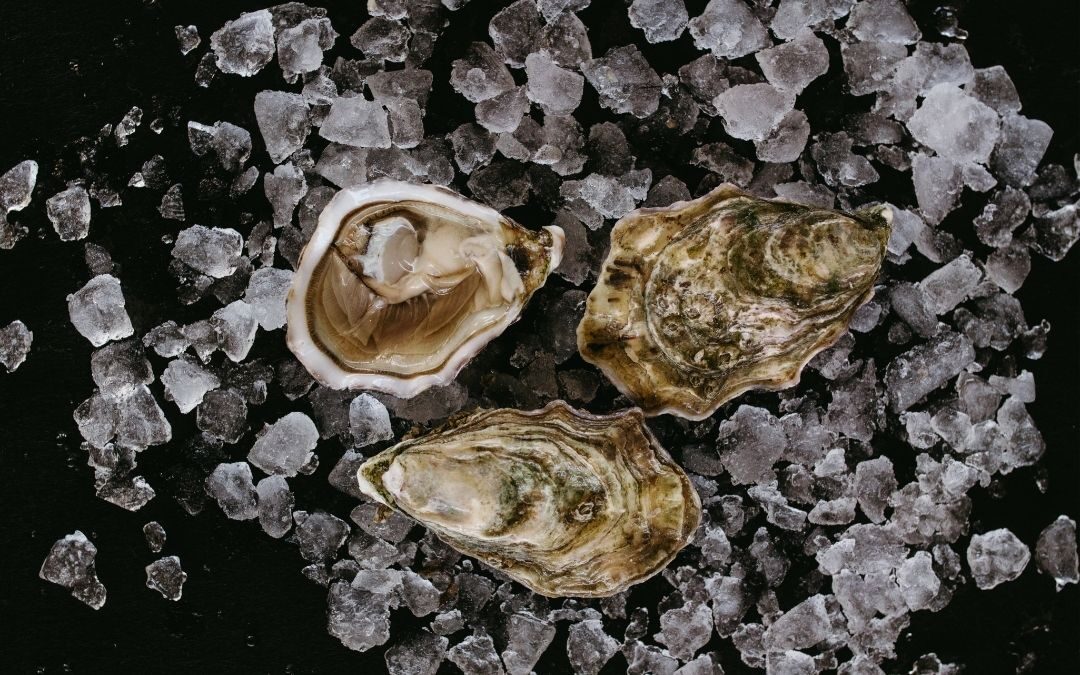
A symbol of luxury, an aphrodisiac food, the mother of pearls: an oyster is much more than just a mollusk. Across the world, many consider oysters a true delicacy, and with good reason: beyond their unmistakable taste and aroma that instantly evoke the sea, oysters are also highly nutritious, rich in protein, cholesterol, and omega-3 fatty acids.
The oyster is a bivalve mollusk, meaning it has a shell made of two parts. It lives on coastal seabeds at depths of up to 40 meters, where it filters water to feed on bacteria, protozoa, algae, eggs, larvae and plant fibers. They can also be found in many seas across the globe: from our Mediterranean to the North Sea, from the Atlantic Ocean to the Pacific, where they are also known for the beautiful pearls they produce.
Given their global distribution, oysters come in different species, each with distinct characteristics. But once you’ve selected your oysters, how do you store them properly? Here are a few useful tips from Ittica Buonocore!
Choosing the right oyster
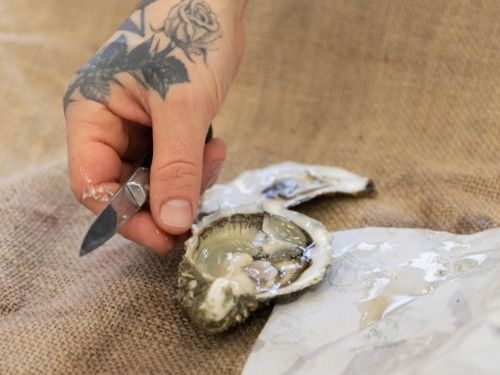 Before thinking about how to store oysters,it’s essential to know how to choose the best ones. The deliciousness of raw oysters is well known, making freshness even more critical.
So how do you pick the right oyster? First, make sure they are still alive at the time of purchase. It’s also important that the shells are tightly closed. Check that the shell’s color and shape are regular and typical for their species and that the meat inside is plump. Don’t worry if the flesh is slightly greyish. Its color can vary depending on the oyster’s diet. Also, take a look at the origin label and harvest date to avoid any unpleasant surprises when you open them.
Types of oysters: how to recognize them
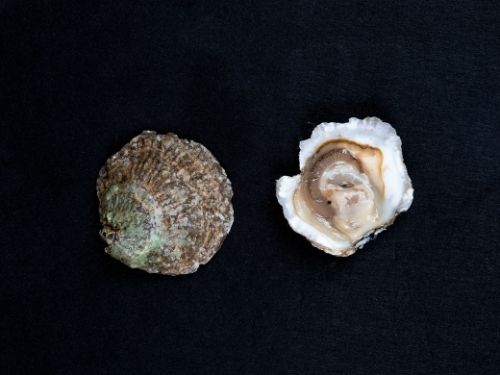
Oysters are harvested from many of the world’s seas: each sea has its own oysters! There are many species, each divided into various types. Every type has its own characteristics and comes from specific waters: factors worth considering before making a purchase. But how do you recognize the oyster you’re looking for? Check out Ittica Buonocore’s handy guide!
How to store oysters in the fridge
 Once you’ve selected your preferred type and the finest specimens, how do you keep them fresh? It’s important for oysters to retain their own water and freshness, so it’s essential that their shells stay closed. If you find one that’s slightly open, gently tap it for it to close again. If it closes, the oyster is still fresh and safe to eat.
What’s the best way to store oysters in the fridge? Storing oysters properly is essential to keep them fresh, tasty, and safe to eat.
There are two key rules to keep in mind: oysters must be stored at a temperature between 4°C and 6°C and it’s very important that they retain their natural seawater. By following these principles, you’ll guarantee a delicious and healthy meal. When it’s time to eat them, always check the appearance, smell and color of the oyster to confirm its freshness.
To store oysters in the fridge use ice and a damp cloth: place ice in a container, lay the oysters flat-side up on top and cover everything with a damp cloth. Regularly check that the ice hasn’t completely melted and the cloth stays moist, this helps maintain the right temperature and keeps the oysters from drying out. Do not store oysters in a sealed container.
Want another useful tip? Well, don’t clean oysters from sand or natural impurities until just before serving: yes, we know, this sounds odd, but trust us, these residues help preserve the oysters better!
If stored correctly, oysters will maintain for about two days in the fridge. While oysters can technically survive longer out of water, it’s safest to consume them within 48 hours of purchase. In any case, always check that the shell is intact and that the flesh hasn’t changed color.
How to store oysters in the freezer
 What if you can’t eat your oysters within 48 hours? In that case, you can store them in the freezer. Freezing is the best option if you’ve bought already-shucked oysters, which don’t last long in the fridge. However, whole oysters can also be frozen and here’s how:
First, rinse the oysters thoroughly with cold water, preferably seawater, if available. Then place them in an airtight container or freezer-safe bag. Stored this way, oysters will keep for about three months in the freezer.
One important thing to remember: freezing will kill the oyster. So if you plan to eat them raw, freezing is not recommended. However, frozen oysters are perfect for seafood soups, stews, or even deep-fried preparations.
Now that you know how to store them, buon appetito!

